Fresh Rose Embroidery Font Review for Real Projects
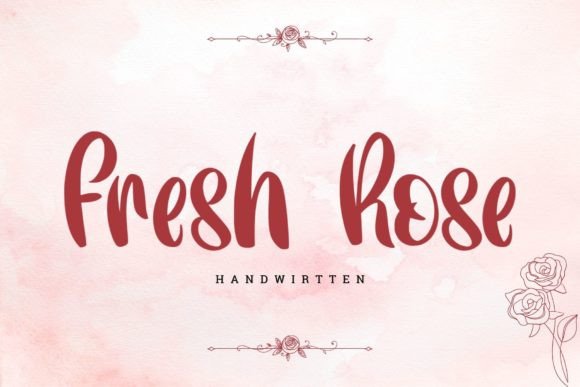
When I first opened the Fresh Rose file to test it on my machine, I wasn't just looking at a font; I was looking at a mood. As an experienced designer who has stitched thousands of designs for clients and craft fairs, I know that not every script is meant for the hoop. Some are perfect for a website banner but fall apart when you try to stitch them onto a cotton tote bag. However, Fresh Rose feels different immediately. It carries a quirky handwritten vibe that suggests warmth and personality, making it an excellent candidate for projects where you want the customer to feel a personal touch.
This typeface belongs to the Script Amp category within the broader world of Fonts, but in embroidery terms, it translates into something much more tactile. The natural characteristics mentioned in its description aren't just marketing fluff; they translate well into thread. When I think about using this design for real-world applications, I see it thriving on items that need a bit of charm without being overly formal. It is the kind of lettering that makes a handmade product feel like it came from a cozy studio rather than a mass-production factory.
Putting Fresh Rose to the Test: A Custom Tote Scenario
Let's imagine a practical scenario. You are an Etsy seller preparing for the holiday season, and you have a client request for a custom embroidered tote bag. The client wants something that says "Fresh Start" or perhaps just a single word like "Bloom." This is where Fresh Rose shines. The flowing nature of the letters mimics the organic movement of a flower stem, which pairs beautifully with botanical motifs often found on tote bags.
If I were stitching this for a boutique product line, I would choose a light-colored canvas bag and use a contrasting thread color, maybe a deep burgundy or a soft sage green. The handwriting style allows for slight variations in thickness that mimic a brush stroke, adding depth to the final piece. Unlike rigid block fonts that can look stiff on fabric, Fresh Rose invites the eye to follow the curve of the stitching. For a personalized gift, this level of detail creates a sense of care that customers appreciate. It elevates a simple $20 tote bag into a $45 artisan item because the design itself feels intentional and crafted.
Performance Across Different Materials and Garments
The versatility of Fresh Rose extends beyond just bags. In my experience evaluating designs for commercial embroidery, I look for how well a font handles different surfaces. On sweatshirt embroidery, this script works exceptionally well. The slightly loose structure of the handwriting prevents the fabric from bunching up too much, provided the stabilizer is chosen correctly. It adds a playful element to a hoodie that a standard sans-serif font simply cannot achieve.
I also see great potential for baby embroidery. Parents often look for nursery decor or baby clothes that feel gentle and whimsical. Fresh Rose has a softness to it that fits perfectly on a onesie or a baby blanket. The curves are rounded enough to be safe and friendly, avoiding any sharp angles that might detract from the innocence of the garment. For holiday embroidery, whether it is on a kitchen towel or a pillow cover, this font brings a festive yet homey atmosphere. It feels like something you would write in a greeting card, which makes it highly effective for seasonal gifts.
However, not every surface is created equal. While it looks stunning on flat fabrics, applying it to curved surfaces like caps requires careful planning. The distortion inherent in embroidering on a curved brim can sometimes stretch out the delicate loops of a script font. If you are doing an embroidered patch or a hat logo, you must ensure the design is digitized with the curvature in mind. Otherwise, the letters might look squashed or uneven once stitched.
Where to Use Caution: Technical Limitations
Even the best-looking design can fail if the technical execution isn't right. There are specific situations where Fresh Rose needs to be handled with extra care. One major concern is small hoop sizes. Because the font relies on fluid lines, reducing it too much for a tiny detail on a keychain or a small button can cause the threads to merge together. The gaps between the letters might disappear, turning your beautiful script into a muddy blob.
Textured fabrics present another challenge. If you are working with a heavy denim jacket or a rough burlap sack, the stability of the stitches might be compromised. The running stitch elements of the handwriting need a smooth base to sit on properly. Similarly, thin or stretchy fabrics like jersey knits require a strong stabilizer to prevent the design from puckering. Without proper support, the natural flow of Fresh Rose could become distorted, ruining the visual appeal.
Dense stitch areas should also be monitored. If you are using a high stitch density to make the text stand out on dark fabric, you risk creating a stiff area that doesn't drape well. For commercial embroidery projects involving frequent washing, such as aprons or work shirts, you want to ensure the satin stitch coverage is balanced so the design remains legible over time.
Visual Appeal and Customer Perception
In the world of craft business and Etsy sellers, the visual presentation of your product is everything. A well-executed embroidery project using Fresh Rose signals professionalism and attention to detail. When a buyer sees a clean, clear script on a finished product, it builds trust. They assume that if the lettering is done well, the rest of the craftsmanship is likely top-notch.
The font's personality also aids in brand consistency. If you are building a brand around handmade goods, using a consistent font like this across your social media mockups and physical products helps create a recognizable identity. It feels cohesive. Whether it is used in a printable mockup for an online listing or on the actual finished product, the message remains the same: this is a unique, handcrafted item.
For digital product sellers, offering this font as part of a design asset pack can be lucrative. Buyers looking for SVG designs or digital files for their own machines will appreciate the versatility of Fresh Rose. It bridges the gap between digital art and physical texture, allowing creators to easily transition their ideas from screen to fabric.
Practical Designer Notes Before You Stitch
Before you commit to a large production run, there are essential steps you must take. First, always test the design on scrap fabric. This is non-negotiable. You need to see how the thread colors interact with your specific fabric choice under the lighting conditions of your workspace. What looks vibrant on a computer screen might appear dull on white cotton or garish on navy blue.
Review the stitch density carefully. If the file seems too dense, consider adjusting the settings in your digitizing software or choosing a lighter thread weight. Confirm your hoop size matches the design dimensions to avoid unnecessary trimming. Inspect the small details of the script; if there are tiny tails or loops, ensure they won't snag or break during the process.
It is also wise to test the design in black and white mockups. Sometimes color distracts from structural issues, and seeing the design in grayscale helps you evaluate the balance of the strokes. Compare how it looks on both light and dark backgrounds to ensure the contrast is sufficient for readability.
Finally, check your licensing agreement. Even though Fresh Rose is described as perfect for branding and blogs, you must confirm whether you are allowed to sell finished items made with this design. Some licenses restrict commercial use, while others allow it freely. Clarify these terms before you start producing for your small shop product line or accepting orders for personalized gifts.
In conclusion, Fresh Rose is a standout choice for designers who want to add a human touch to their embroidery work. Its quirky, handwritten nature makes it ideal for a wide range of projects, from custom apparel to home decor. By understanding its strengths and respecting its limitations regarding fabric and scale, you can create stunning pieces that resonate with customers and elevate your craft business.